
 English
 Spanish
Is Tinder Safe for Teens? A Red Flag for Parents
Posted in Digital Parenting by admin
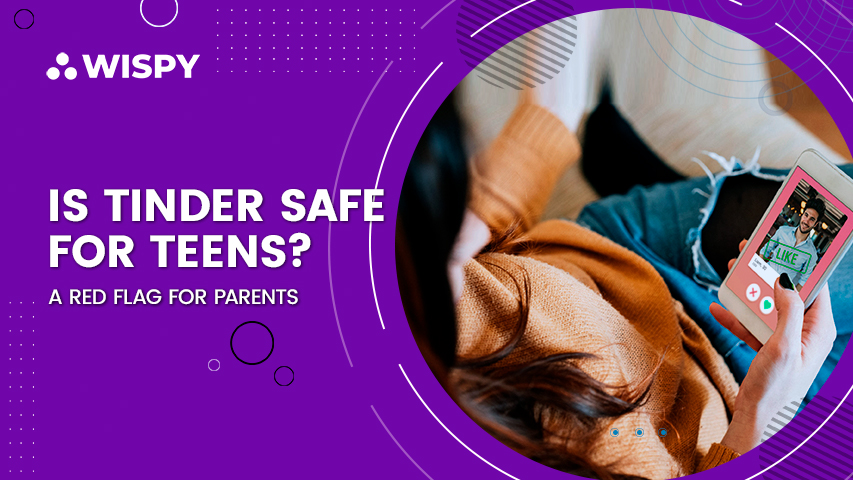
Is Tinder Safe for Teens? What Parents Need to Know
Is Tinder safe for teens? In short, no. Tinder is built for adults aged 18 and over, yet a teen can still lie about their age and create a profile. Many parents wonder why the app is so popular and what the risks are. This guide covers the dangers, the warning signs, and practical ways to protect your child, including open parental monitoring tools your teen knows about.
What Is Tinder?
Tinder is a free dating app for adults, with optional paid subscriptions. It uses your phone’s location to show nearby users. You swipe right on profiles you like and left on those you don’t. When two people swipe right on each other, they “match” and can message. Sign-up is quick, so a determined teen can often get past the age requirement. Tinder’s own terms of use state that users must be at least 18.
Why Do Teens Find Tinder Appealing?
- Simplicity: Registration is fast, with no long forms.
- Instant feedback: A “match” notification gives a quick thrill.
- Low effort: The app suggests people, so there is no need to search.
- Less awkwardness: Teens can avoid the fear of asking someone out in person.
What Are the Dangers for Teens?
Teens are still developing emotionally, so adult dating spaces carry real risks.
- Contact from adults: Predators can lie about their age and target minors. If you suspect exploitation, report it to the NCMEC CyberTipline.
- Location exposure: Approximate distance and landmarks in photos can help a stranger work out where a teen lives or goes to school.
- Scams and phishing: Fake profiles may lure teens into sharing personal details or clicking harmful links.
- Pressure to meet in person: Dating apps encourage meetups, and teens may not understand the risks of meeting a stranger alone.
- Sexual content and pressure: Explicit messages and requests for photos are common on adult dating platforms. Our article on online sexting among teens explains why this matters.
- Emotional strain: Rejection, unanswered matches, and appearance-based judgment can hurt self-esteem.
Warning Signs to Watch For
None of these proves your teen is on Tinder, since many have other causes. Treat them as reasons to start a calm conversation.
- Heavy or secretive phone use: Hiding the screen, or being online at odd hours.
- Sudden mood changes: New anxiety, sadness, or irritability.
- Withdrawal from friends and family: Less interest in usual social activities.
- Unusual behavior: Defiance that is out of character, or visible worry after being online.
- Unfamiliar apps: Apps that look like calculators or utilities, or that you don’t recognize.
If your child seems seriously distressed or talks about harming themselves, contact a doctor or a mental health professional right away.
How Can You Keep Your Teen Safe?
Start With a Conversation
Open communication works better than secret surveillance. Explain why Tinder isn’t for minors, ask what they’ve seen online, and listen. Then agree on family rules together. Common Sense Media offers age-based advice for these talks.
Check Devices Together
Look through installed apps with your teen, not behind their back. Both Android and iPhone let you review app lists and see which apps use the most time. If you find Tinder, ask them to delete it. Because it is against Tinder’s rules for under-18s, the account can also be reported.
Use Built-In Controls
Google Family Link and Apple Screen Time let you approve app downloads, set age limits, and schedule downtime. You can set an age rating that blocks 18+ apps, so dating apps can’t be installed without your approval.
Consider a Transparent Parental Control App
Apps like Bark and Qustodio can filter content, flag risky messages, and share location. Tell your teen what is turned on and why, since kids who understand the rules are less likely to hunt for workarounds. Our guide to social media monitoring for parents explains what these tools can and can’t do. Also, laws on monitoring vary, so see our article on whether monitoring kids is legal.
Review Location Settings
Turn off precise location sharing in social apps, and talk about why posting school names or landmarks is risky. If you use location sharing as a family, make sure your child knows it’s on.
Final Thoughts
Tinder isn’t safe for teens, and the age rule exists for good reason. Even so, the best protection combines open conversations, sensible device settings, and tools your child knows about. Start early and stay involved, because trust keeps teens talking to you when something goes wrong.

Related Posts
Discord Safety for Parents: A 2026 Guide to Family Center
Discord safety for parents has become an urgent topic. Kids...
Read More
Digital Spying on Cheating Spouse – Is It Legally Permissible?
Spying itself is a negative word because you are invading...
Read More
Game Over! Oculus Deadly VR Can Kill You in Real-Life
Deadly Oculus VR Headset Can Blow Heads Off in Real...
Read More
Install TheWiSpy Monitor App Now and Start Exploring Your Kid’s and Employee’s Digital Space
- Protect Your Kids
- Secure Your Business
- Backup Personal Data

 Affiliate Login

 Spanish