
 English
 Spanish
Instagram Addictive? Causes, Signs & Solutions
Posted in Social Media by Julie
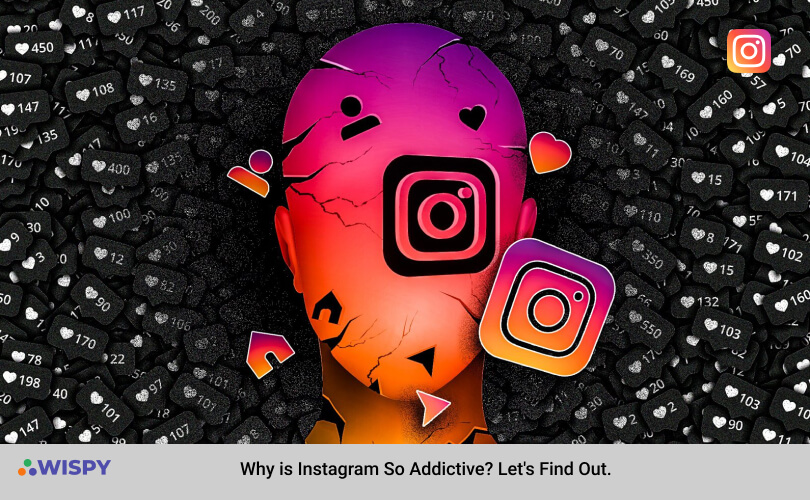
Why Is Instagram So Addictive? Let’s Find Out
Instagram addictive habits can develop when scrolling, checking notifications, or chasing likes starts taking up too much of your day. Instagram helps people connect, discover interests, and share memories. However, excessive use can interfere with sleep, schoolwork, relationships, and daily responsibilities.
So, why does Instagram feel so hard to put down? Features such as endless scrolling, personalized recommendations, likes, comments, and disappearing Stories can encourage frequent checking. For some users, these habits become difficult to control.
In this guide, we’ll explore why Instagram can feel addictive, identify common warning signs, and explain practical ways to develop healthier social media habits.
What Makes Instagram Addictive?
People often use the phrase “Instagram addiction” to describe repeated social media use that feels difficult to control. However, problematic social media use is not automatically a diagnosable mental health condition.
Instagram offers filters, Reels, Stories, comments, and personalized content. These features can make browsing entertaining and encourage users to return throughout the day. Nevertheless, excessive use becomes a concern when it interferes with everyday life.
For example, someone might keep checking notifications while studying or continue scrolling long after bedtime. Over time, these habits may affect concentration, sleep, and personal relationships.
Similar patterns can occur with other platforms. Read our guide to overcoming Snapchat addiction to learn more about managing social media habits.
Why Is Instagram So Addictive? 3 Common Reasons
Several features can encourage people to spend more time on Instagram. Although everyone’s experience differs, three common factors help explain why users keep returning.
1. Fear of Missing Out (FOMO)
Fear of missing out, commonly called FOMO, occurs when people worry that others are enjoying important experiences without them.
Instagram makes it easy to see friends’ updates, trending topics, and influencers’ activities. As a result, some users repeatedly check their feeds because they don’t want to miss anything.
Stories also disappear after a limited period. Consequently, users may feel pressure to view them before they expire.
To reduce FOMO, remember that social media shows selected moments rather than someone’s entire life. You can also mute unnecessary notifications and schedule specific times to check the app.
2. Likes, Comments, and Social Validation
Likes, comments, shares, and new followers can make users feel noticed and appreciated. Therefore, some people begin checking their notifications repeatedly to see how others respond to their posts.
However, social media engagement does not determine personal worth. A post’s popularity depends on many factors, including its audience, timing, and visibility.
If you often compare your engagement with other people’s numbers, consider taking a break from checking likes. Instead, focus on meaningful conversations and activities that make you feel confident offline.
3. Personalized Content and Endless Scrolling
Instagram recommends content based on users’ activity and interests. Consequently, the feed can continue showing posts and videos that match someone’s preferences.
This personalized experience makes browsing convenient and entertaining. However, it can also make it easy to lose track of time.
For example, you might open Instagram to watch one Reel but continue scrolling for another 30 minutes. Setting a daily time limit and turning off nonessential notifications can help you regain control.
What Are the Warning Signs of Instagram Overuse?
Spending time on Instagram does not automatically mean someone has an addiction. Instead, look at whether the habit affects their well-being or ability to manage everyday responsibilities.
Here are some common warning signs:
- Frequent checking: You open Instagram repeatedly, even without a specific reason.
- Difficulty stopping: You continue scrolling despite intending to stop.
- Neglected responsibilities: Instagram interrupts work, studying, or household tasks.
- Sleep disruption: You stay awake late because you keep watching Reels or checking messages.
- Mood changes: You feel frustrated or anxious when you cannot check the app.
- Social comparison: You regularly compare your appearance, lifestyle, or achievements with others.
- Dependence on engagement: Likes and comments strongly influence your mood or confidence.
- Reduced offline interaction: You spend less time connecting with friends and family in person.
- Repeated failed attempts to cut back: You set limits but struggle to follow them.
- Loss of control: You continue using Instagram even when you notice negative effects on your daily life.
Importantly, one sign alone does not prove an addiction. However, if several patterns persist and disrupt everyday activities, consider changing your habits or seeking professional guidance.
How Can Excessive Instagram Use Affect Your Life?
Frequent Instagram use can affect people differently. The outcome depends on how they use the platform, what content they see, and how much time they spend online.
1. Academic and Work Performance
Constant notifications can interrupt concentration. As a result, students may struggle to finish assignments, while employees may find it harder to focus on important tasks.
To improve concentration, silence notifications during study sessions and keep your phone out of reach when completing demanding work.
2. Self-Esteem and Social Comparison
Instagram often displays carefully selected photos, achievements, and lifestyle highlights. Consequently, comparing your everyday experiences with these polished posts can leave you feeling inadequate.
Instead, remember that social media rarely shows the complete picture. Unfollow or mute accounts that consistently make you feel worse, and follow creators who encourage realistic, positive interests.
3. Sleep and Emotional Well-Being
Late-night scrolling can delay bedtime and disrupt healthy routines. In addition, distressing content or repeated social comparison may contribute to feelings of stress or dissatisfaction.
For better sleep, establish a regular bedtime and stop using Instagram before going to bed. If online habits continue to affect your mood or daily functioning, consider talking with a qualified mental health professional.
For more information, the World Health Organization’s overview of digital environments and mental health explains how digital experiences can bring both benefits and risks.
How to Overcome Instagram Addiction
If Instagram takes up more time than you want, you can take practical steps to change your routine. You don’t necessarily need to quit social media completely. Instead, start with manageable changes and build healthier habits over time.
1. Put Your Phone Out of Reach
Place your phone in another room while studying, working, eating, or spending time with family. This simple change reduces the temptation to check notifications.
Additionally, choose specific times to use Instagram rather than opening it whenever you feel bored.
2. Set Daily Screen-Time Limits
Decide how much time you want to spend on Instagram each day. Then, use your phone’s screen-time settings or Instagram’s available time-management features to support your goal.
Start with a realistic limit. If you currently spend several hours scrolling, reduce your usage gradually instead of expecting an immediate change.
3. Unfollow or Mute Negative Accounts
Your feed can influence your mood and habits. Therefore, unfollow or mute accounts that encourage unhealthy comparisons, unwanted arguments, or constant checking.
Instead, follow accounts that share useful information, creative ideas, hobbies, and supportive messages.
4. Try a Digital Detox With Friends
Changing a habit can feel easier when you have support. Ask a friend or family member to join you in spending less time on social media.
For example, agree to keep phones away during meals, meet in person without scrolling, or plan a screen-free activity every weekend.
5. Replace Scrolling With Offline Activities
Simply removing Instagram from your routine may leave you looking for something else to do. Therefore, plan enjoyable alternatives before cutting back.
Try walking, exercising, reading, cooking, learning a skill, or spending time with friends. These activities can help you build a more balanced routine.
6. Use Parental Supervision Tools When Appropriate
Parents who worry about their teenagers’ social media habits can start with an open conversation. Discuss online risks, sleep routines, privacy, and the importance of balancing screen time with offline activities.
Instagram also offers parental supervision features for eligible teen accounts. These tools can help families review usage and establish boundaries together.
Learn more in our guide to parental controls and social media safety . You can also read Meta’s explanation of Instagram time-management and parental supervision features .
Monitoring tools should support age-appropriate safety and transparent supervision. Choose tools carefully, check their documented features, and respect privacy and applicable laws.
Frequently Asked Questions About Instagram Addictive Habits
Why is Instagram so addictive for some people?
Personalized content, notifications, social feedback, and fear of missing out can encourage repeated checking. However, people’s habits and responses vary, so Instagram does not affect everyone in the same way.
How can I tell if I use Instagram too much?
Look for patterns such as lost sleep, neglected responsibilities, difficulty stopping, or repeated unsuccessful attempts to reduce usage. These signs can indicate that your current habits need attention, although they do not establish a medical diagnosis.
Does Instagram affect mental health?
Its effects vary. Instagram can support creativity, friendships, and community. However, excessive use, harmful content, and unhealthy social comparisons may affect well-being for some people.
Should I quit Instagram completely?
Not necessarily. Many people can build healthier habits by setting limits, turning off unnecessary notifications, curating their feeds, and making more time for offline activities.
How can parents help teenagers manage Instagram use?
Start by discussing online experiences without judgment. Then, agree on reasonable boundaries, encourage offline activities, and explore Instagram’s parental supervision features together.
Final Thoughts: Build a Healthier Relationship With Instagram
Instagram can help people connect, learn, and express themselves. Nevertheless, repeated scrolling and constant notifications can become problematic when they interfere with everyday life.
Fortunately, small changes can make a difference. Set realistic time limits, reduce unnecessary notifications, curate your feed, and make room for offline activities.
Most importantly, focus on how Instagram affects your well-being rather than simply counting minutes. By building healthier habits and seeking support when necessary, you can enjoy social media without letting it control your day.

Related Posts
How to See Deleted WhatsApp Messages
How to See Deleted WhatsApp Messages: 3 Methods Have you...
Read More
Dangers of Tinder: 5 Risks You Should Know
The Dangers of Tinder No One Knows About The dangers...
Read More
Access Someone’s Instagram Account: Legal Ways
Access Someone's Instagram Account: Legal Ways Learning how to access...
Read More
Install TheWiSpy Monitor App Now and Start Exploring Your Kid’s and Employee’s Digital Space
- Protect Your Kids
- Secure Your Business
- Backup Personal Data
 Affiliate Login

 Spanish