
 English
 Spanish
Signs of Cyberbullying Every Parent Should Know
Posted in Cyberbullying by admin
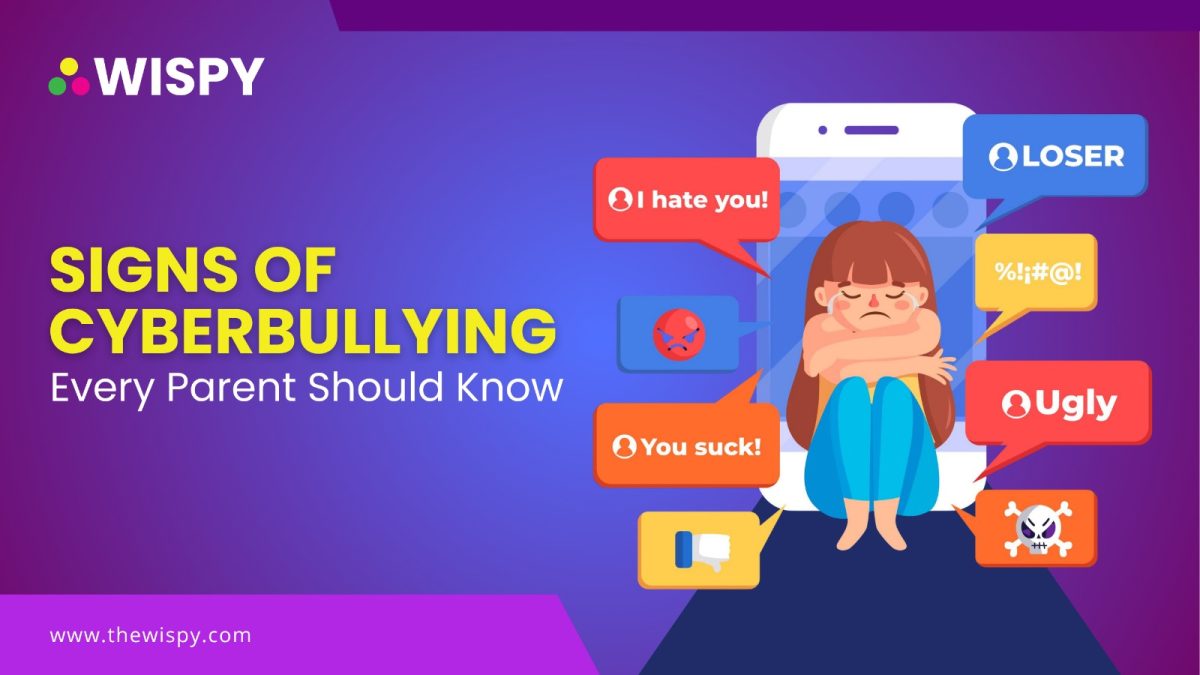
Signs of Cyberbullying Every Parent Should Know
Cyberbullying — which can take several different forms — rarely announces itself. Unlike playground conflicts, digital harassment often happens where parents cannot see it. It can happen inside DMs, group chats, comment sections, and disappearing messages. That makes recognizing the signs of cyberbullying especially important. Kids may not tell a parent directly because they feel embarrassed, fear losing phone privileges, or simply don’t know how to bring it up.
Behavioral Signs of Cyberbullying to Watch For
- Sudden reluctance to use their phone or go online, especially if they previously used devices constantly. Some children may instead become more secretive or anxious around device use.
- Emotional shifts after using their phone — they may appear upset, withdrawn, or irritated after checking notifications or messages.
- Avoiding school or specific social situations they previously enjoyed. Pay attention if the change seems connected to a particular peer group.
- Withdrawal from friends or activities they used to enjoy, especially activities involving the same social circle.
- Changes in sleep or appetite, which can indicate emotional distress regardless of the underlying cause.
- Declining grades or less interest in school, particularly when the change happens suddenly.
Signs of Cyberbullying in Device Use
- Quickly switching screens, closing apps, or turning the phone away when you enter the room.
- Deleting social media accounts or creating new ones without a clear explanation.
- Receiving an unusual volume of notifications, or suddenly becoming quiet on platforms they once used regularly.
- Being excluded from group chats or posts where they would normally be included.
Emotional and Physical Signs of Cyberbullying
- Increased anxiety, sadness, or anger that seems out of proportion to everyday events.
- Physical complaints such as headaches or stomachaches with no clear medical cause, especially before school.
- Lower self-esteem or negative self-talk that seems new or has become more intense.
- Expressions of hopelessness in more serious cases. This requires immediate attention and professional support, not just monitoring.
Online Bullying Signs Across Different Platforms
Different platforms can show different patterns of cyberbullying:
- Group chats and messaging apps: exclusion from group threads, repeated hostile messages, or a flurry of messages followed by sudden silence.
- Social media platforms: comment harassment, being tagged in humiliating content, or a sudden drop in posting activity.
- Gaming platforms and Discord: harassment in voice or text chat. Parents may miss it because it can happen during otherwise normal screen time.
What Parents Should Do After Spotting Online Harassment Signs
- Start with a low-pressure conversation. Avoid turning the discussion into an interrogation. Ask generally how things are going with friends online. This approach can make it easier for your child to open up.
- Avoid immediately confiscating the device. Many kids see losing phone access as punishment for being bullied. That reaction can make them less likely to tell you what happens next.
- Document what you find. If your child shares specific messages or posts, save screenshots. Documentation can help if you need to involve the school or, in serious cases, law enforcement.
- Contact the school if classmates are involved. This applies even when the bullying happens outside school hours. Many schools have policies that address digital harassment between students.
- Consider professional support. If your child shows significant emotional distress, a counselor can provide support and coping strategies that parents may not be able to provide alone.
For additional guidance, parents can also review resources from StopBullying.gov and UNICEF.
When Should Parents Consider Additional Monitoring?
If direct conversation doesn’t provide enough visibility, some parents consider temporary monitoring. This may make sense with younger teens or when you have a specific and serious concern.
If you use monitoring tools, explain why you are using them. Keep the conversation appropriate for your child’s age. Monitoring should support communication, not replace it. Cyberbullying often creates an emotional problem as well as a digital safety concern.
FAQs About Signs of Cyberbullying
What’s the difference between normal teen moodiness and cyberbullying signs?
Normal moodiness tends to be general and does not always have a clear trigger. Cyberbullying-related distress may connect more closely to phone or social media use. For example, your child may become upset after checking notifications or avoid certain apps, people, or platforms.
Should I tell my child I’m worried about cyberbullying?
Generally, yes. A direct and calm conversation can work better over time than covert monitoring alone. You can also explain that your goal is to keep them safe, not punish them.
What if my child won’t talk about it?
This is common. Keep the door open without pressuring them. You could also suggest talking with a school counselor or therapist. Some older teens may find it easier to speak with someone outside the family.
Is cyberbullying a legal matter?
It can be, particularly when cases involve threats, serious harassment, or conduct that violates school policies. Document serious or ongoing incidents and consider contacting the school or appropriate local authorities.
Bottom Line: Pay Attention to Patterns of Cyberbullying
Most signs of cyberbullying appear as changes in mood, device habits, or social behavior. You may not see one obvious red flag. Instead, several small changes may appear over time. Pay attention to these patterns and talk with your child early. Early support can make it easier to address cyberbullying before the situation becomes more serious.

Related Posts
Types of Cyberbullying: What Parents Should Know
Types of Cyberbullying: What Parents Should Know Cyberbullying can take...
Read More
How Internet Trolling is Cultivating Culture of Hate?
Trolling has become a headache for internet users. But don’t...
Read More
What is Sharenting? Does It Invite Unsolicited Dangers?
Sometimes parents and social media are inseparable. Parents feel over...
Read More
Install TheWiSpy Monitor App Now and Start Exploring Your Kid’s and Employee’s Digital Space
- Protect Your Kids
- Secure Your Business
- Backup Personal Data

 Affiliate Login
 Spanish